Pickleball Paddle Buying Guide (2026)
The Complete Pickleball Paddle Buying Guide (2026)
Quick answer: The best pickleball paddle for most players is a mid-weight (7.6–8.2oz) paddle with a polymer honeycomb core and a raw carbon fibre face, in a standard shape. Beginners should prioritise a lighter paddle with a larger sweet spot; advanced players benefit from textured carbon surfaces for spin and thinner cores for control. Expect to pay AUD $80–150 for a genuinely good club-level paddle, and $180–280 for a premium tournament-grade paddle.
How to choose a pickleball paddle: the 5 things that matter
- Weight — controls power vs. manoeuvrability
- Core material and thickness — controls power vs. control ("touch")
- Surface material — controls spin potential and feel
- Shape — controls reach vs. sweet spot size
- Grip size — controls comfort and injury prevention
Get these five right and the paddle will suit your game. Everything else (colour, branding, price) is secondary.
1. Paddle weight: what weight pickleball paddle should I use?
| Weight range | Best for | Trade-off |
|---|---|---|
| Under 7.3oz (Light) | Players with arm/elbow issues, fast hands at the net | Less power, more manoeuvrability |
| 7.3–8.2oz (Mid-weight) | Most players, all-round game | Balanced power and control |
| Over 8.2oz (Heavy) | Baseline power hitters, players moving up from tennis | More power, slower reaction at the net |
Direct answer: Most players should start with a mid-weight paddle (7.6–8.0oz). It's the safest choice if you're unsure, and it's what the majority of club and school players use.
2. Core material: what's inside a pickleball paddle?
The core is the honeycomb layer between the two paddle faces. It's the single biggest factor in how a paddle feels.
- Polymer (polypropylene) honeycomb — the modern standard. Quiet, soft feel, durable. Used in the vast majority of paddles sold today, from entry-level to tournament-grade.
- Nomex honeycomb — older technology, harder-hitting and louder. Mostly phased out of new paddle releases, though some indoor/gym paddles still use it for durability.
- Aluminium honeycomb — rare today, offers a very light, control-focused feel. Mostly found in older or niche paddles.
Core thickness:
| Thickness | Effect | Best for |
|---|---|---|
| 11–13mm | More power, less control | Power players, doubles baseline play |
| 14–15mm | Balanced | Most players |
| 16mm+ | More control and touch, less pop | Net play, dinking, control-focused players |
Direct answer: A 14–16mm polymer honeycomb core is the standard choice for club and school-level play in 2026. Thicker cores (16mm) suit players who want more control at the net; thinner cores (11–13mm) suit players who want more pace off the paddle.
3. Surface material: what's the paddle face made of?
This is where spin, feel, and price diverge the most.
| Surface material | Spin potential | Feel | Typical price tier |
|---|---|---|---|
| Fiberglass (composite) | Low–moderate | Soft, powerful pop | Entry level |
| T700 raw carbon fibre | High | Firm, consistent, grippy | Mid-tier — the current market standard |
| 3D/18K textured carbon fibre | Very high | Slightly softer touch, maximum grit | Premium |
| Kevlar / hybrid weaves | High, niche | Stiff, powerful | Specialty / niche |
Direct answer: Raw carbon fibre (often labelled T700) is the current sweet spot for most players — it's what most mid-tier paddles from established brands use, and it out-sells more expensive textured carbon options because it's proven, consistent, and easy to control. Textured 3D carbon paddles add extra spin for advanced players but come at a higher price point without necessarily being a "better" paddle for club-level play.
4. Paddle shape: standard, elongated, or wide-body?
- Standard shape (~7.5" wide x 16" long) — the most balanced option, biggest sweet spot, best for beginners and all-round players.
- Elongated shape (narrower, longer) — extra reach and power, smaller sweet spot, favoured by players who came from tennis.
- Wide-body shape (wider, shorter) — maximises sweet spot, popular for doubles-focused control players.
Direct answer: Standard-shaped paddles are the right choice for the majority of players, especially beginners, schools, and club programs, because they offer the largest margin for error.
5. Grip size: how do I know what grip size I need?
Measure from the tip of your ring finger to the second-largest crease in your palm — that's your grip size in inches (typically 4" to 4.5" for adults). A grip that's too small increases wrist strain; too large reduces racquet-head control. If between sizes, size down and add an overgrip.
Beginner vs. intermediate vs. advanced: what should I actually buy?
| Player level | Recommended spec |
|---|---|
| Beginner / school / social play | Lightweight to mid-weight, fiberglass or entry carbon face, standard shape, 13–14mm core |
| Club / intermediate | Mid-weight, raw carbon (T700) face, standard shape, 14–16mm core |
| Advanced / competitive | Personal preference on weight, textured 3D carbon face, 16mm core, shape matched to playing style |
Is USAPA / UPA-A approval important in Australia?
Yes, if you plan to play sanctioned Pickleball Australia tournaments or club competition. There's no separate Australian paddle certification body — sanctioned play here generally recognises the USA Pickleball (UPA-A) approved paddle list, the same standard used internationally. UPA-A approval confirms a paddle meets official specifications for surface roughness, dimensions, and materials. Look for the certification mark on the paddle or in the product listing before buying for competitive play. For social, school, or backyard play, approval isn't essential.
How much should I spend on a pickleball paddle?
| Price (AUD) | What you get |
|---|---|
| $50–100 | Entry-level fiberglass paddles — fine for beginners and casual play |
| $100–180 | Mid-tier raw carbon paddles — the best value zone for most club players |
| $180–280+ | Premium 3D/18K textured carbon paddles — for advanced and competitive players chasing maximum spin |
Direct answer: For most players, the best value sits in the $120–$180 AUD range — a raw carbon face paddle with a quality polymer core, from a brand that stands behind its construction quality.
Custom paddles for clubs, schools, and associations
Warrior Sports supplies both ready-made paddles and custom club/school branded paddle programs, so associations and clubs can outfit players with consistent, quality equipment carrying their own colours and crest. Get in touch with our team to discuss reseller stock, bulk pricing, or a fully custom paddle program for your club.
Frequently Asked Questions
What is the best all-round pickleball paddle for beginners? A mid-weight (7.6–8.0oz), standard-shaped paddle with a polymer honeycomb core and a fiberglass or entry carbon face. This combination offers the largest sweet spot and the most forgiving feel for new players.
Is a heavier or lighter pickleball paddle better? Neither is universally "better" — lighter paddles (under 7.3oz) suit players who prioritise fast hands and reaction time at the net, while heavier paddles (over 8.2oz) suit players who want more power from the baseline. Most players do best with a mid-weight paddle around 7.6–8.0oz.
What's the difference between fiberglass and carbon fibre pickleball paddles? Fiberglass paddles are generally softer, more powerful, and less expensive, making them a good entry point. Carbon fibre paddles are firmer, offer more spin and control, and are the standard choice for club-level and competitive players.
Do I need a USAPA-approved paddle to play pickleball in Australia? Only if you're playing in a sanctioned Pickleball Australia tournament or a competition that requires it — most sanctioned play in Australia recognises the USA Pickleball (UPA-A) approved paddle list, since there's no separate Australian certification body. For social, school, or backyard pickleball, an unapproved paddle is perfectly fine.
How long does a pickleball paddle last? With regular club or school use, a good-quality paddle typically lasts 1–2 years before the face material fatigues and loses pop and grip. Paddles used daily in competitive play may need replacing sooner.
What thickness core should I choose for control? A 16mm core is the standard choice for players prioritising control and touch at the net, as it dampens power slightly in exchange for a softer, more controllable feel.
Warrior Sports supplies pickleball paddles and equipment to clubs, schools, and associations across Sydney's Northern Beaches and beyond. [Browse our pickleball range] or [email matt@warriorsports.net.au] to discuss a custom paddle program for your club.
REQUEST FREE CUSTOM DESIGN
For Your Touch ClubTouch Football Range
-
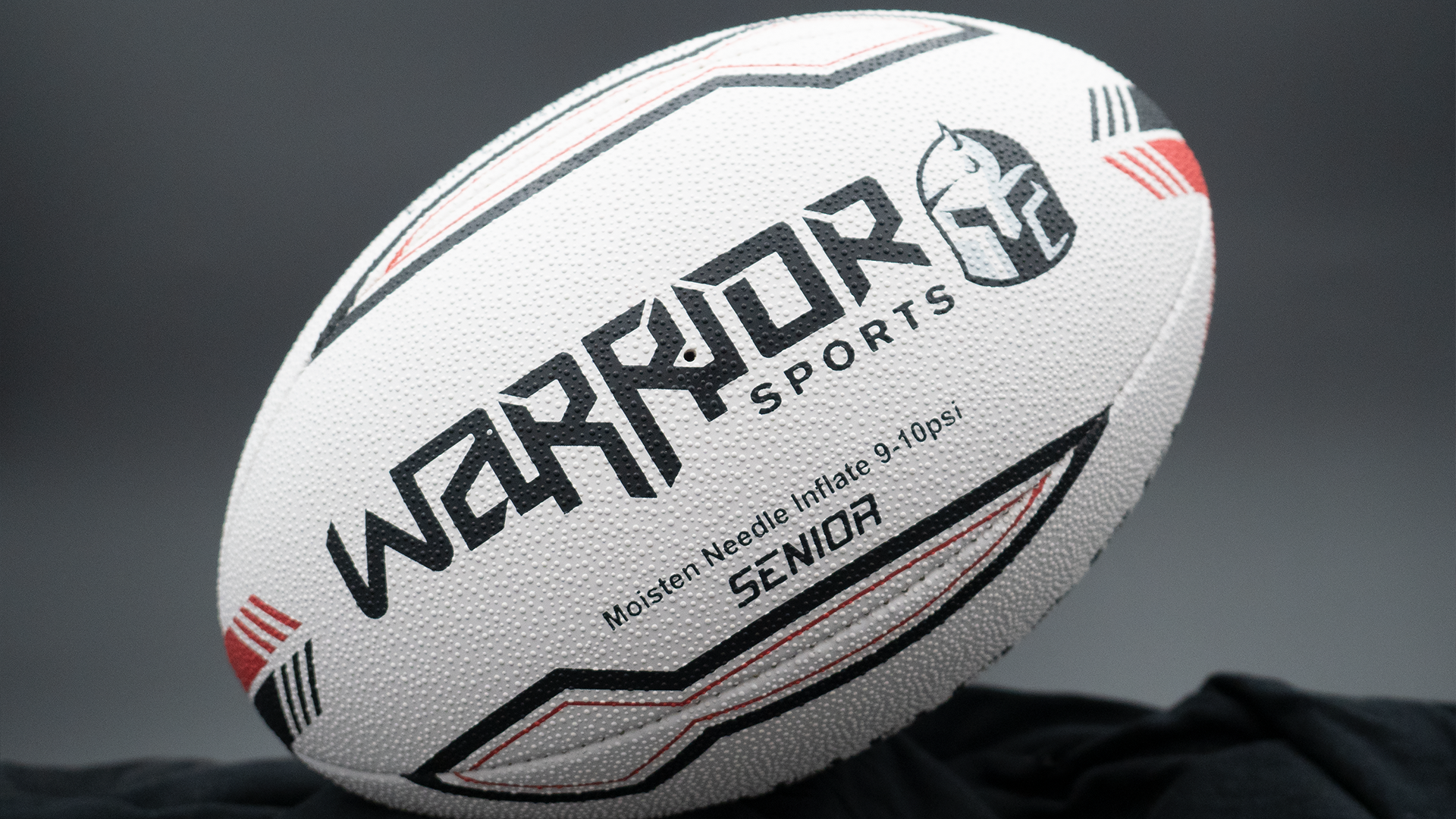
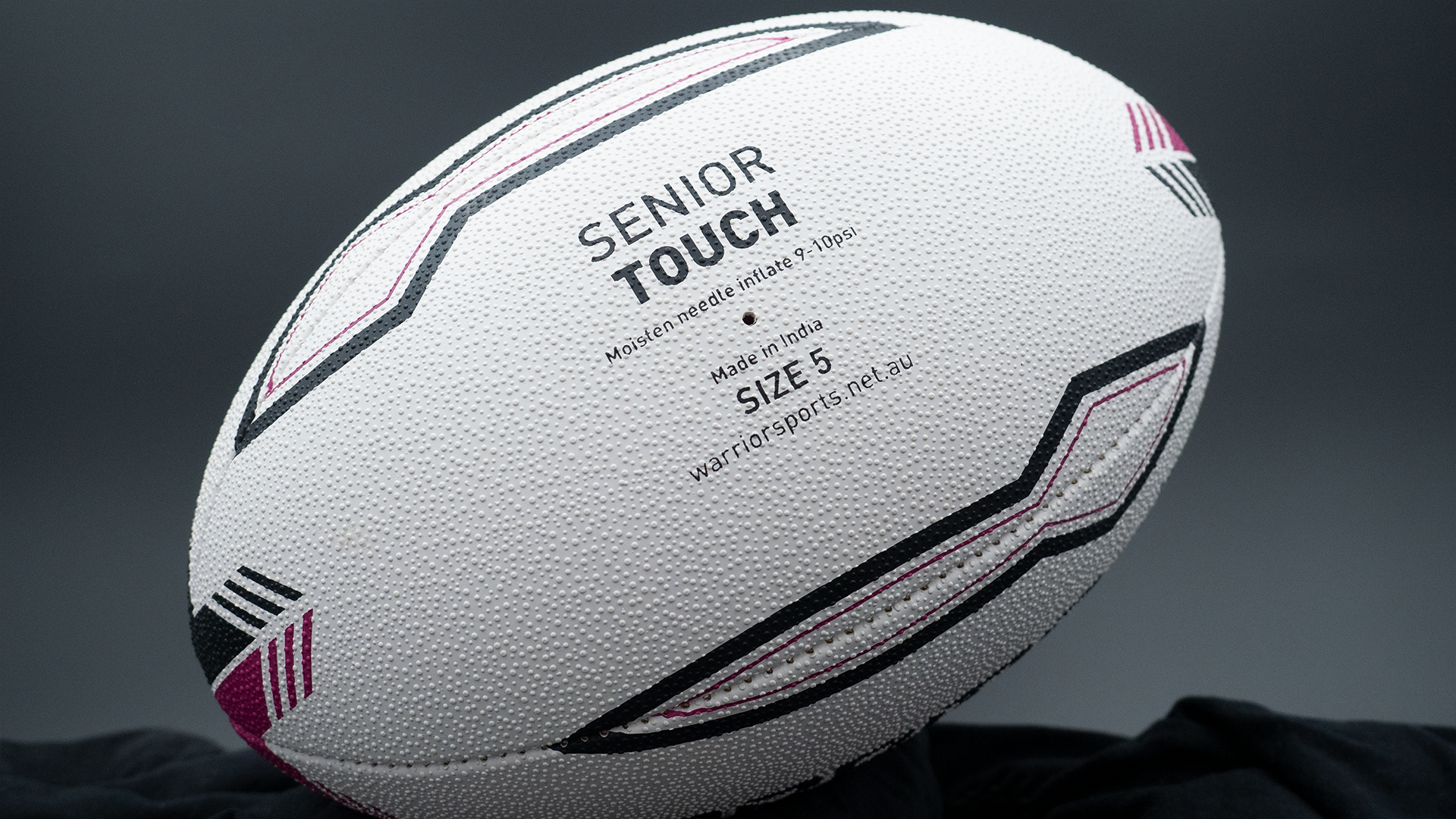
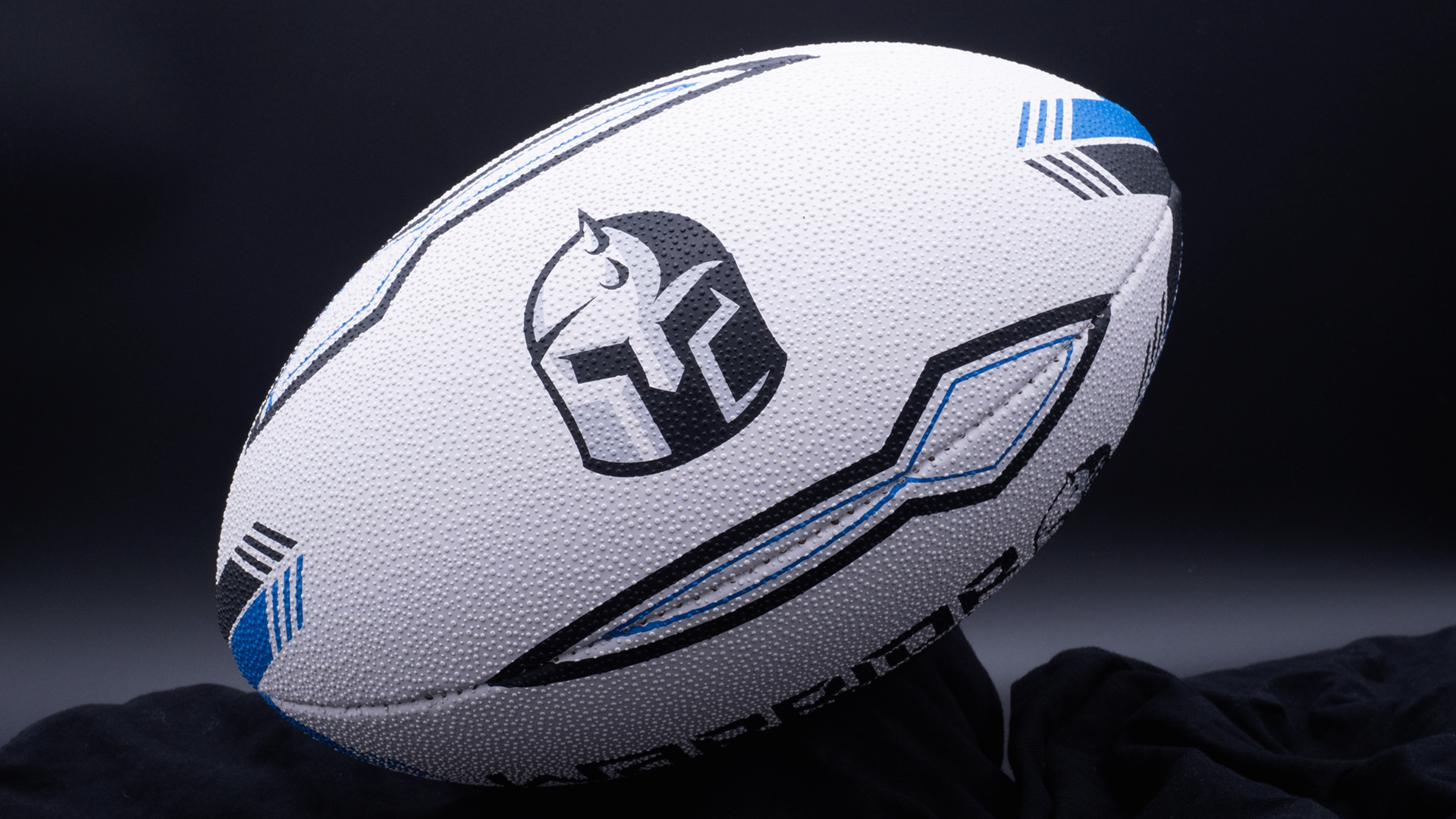
![Warrior Sports Senior Touch Match Ball - 3D Grip]()
![Warrior Sports Senior Touch Match Ball - 3D Grip]() SaleWarrior Sports Senior Touch Match Ball - 3D Grip
SaleWarrior Sports Senior Touch Match Ball - 3D Grip- Regular price
- $33.00
- Regular price
-
$36.30 - Sale price
- $33.00
- Unit price
- per
Warrior Sports Senior Touch Match Ball - 3D Grip Warrior Sports produces a range of touch balls for both seniors and juniors, built to handle the pace of the modern game. This 3-ply ball features o... -
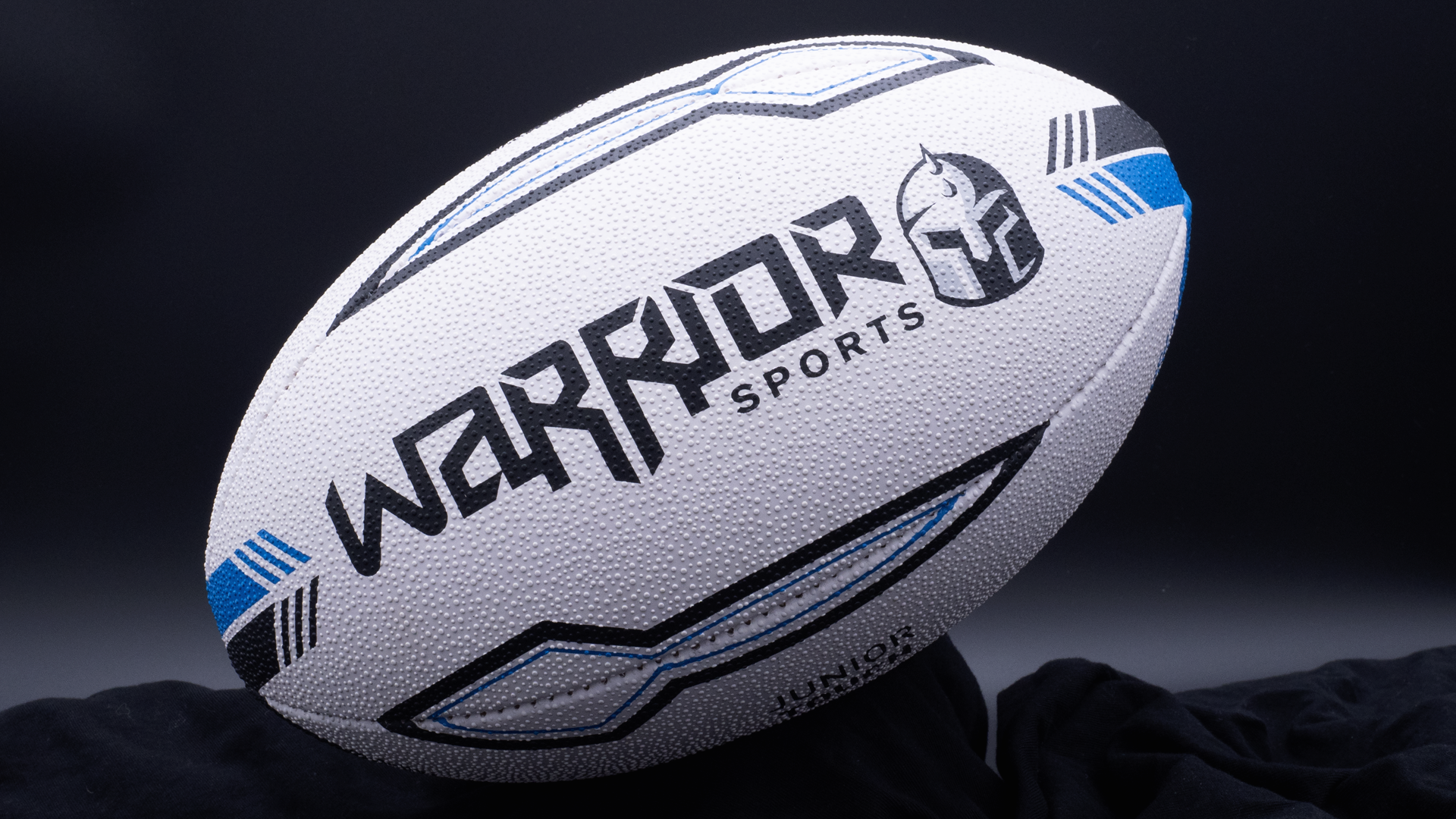
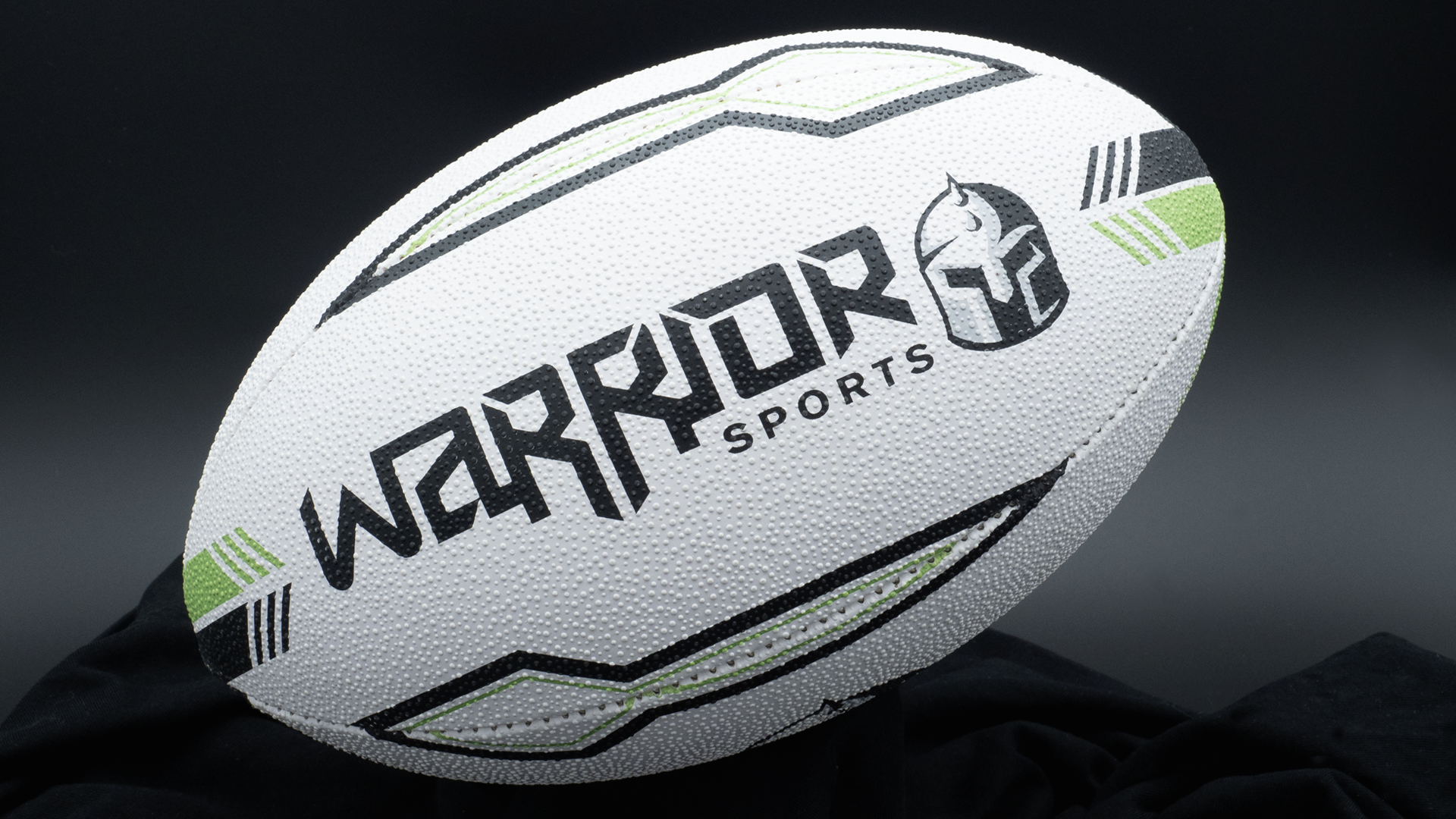
![Warrior Junior Touch Match Ball - 3D Grip]()
![Warrior Junior Touch Match Ball - 3D Grip]() Warrior Junior Touch Match Ball - 3D Grip
Warrior Junior Touch Match Ball - 3D Grip- Regular price
- $33.00
- Regular price
-
$33.00 - Sale price
- $33.00
- Unit price
- per
Warrior Junior Touch Match Ball - 3D Grip Same quality as our Senior Touch Match Ball, built in junior sizing. This 3-ply ball features our default 3D Grip, engineered for exceptional handling in a... -
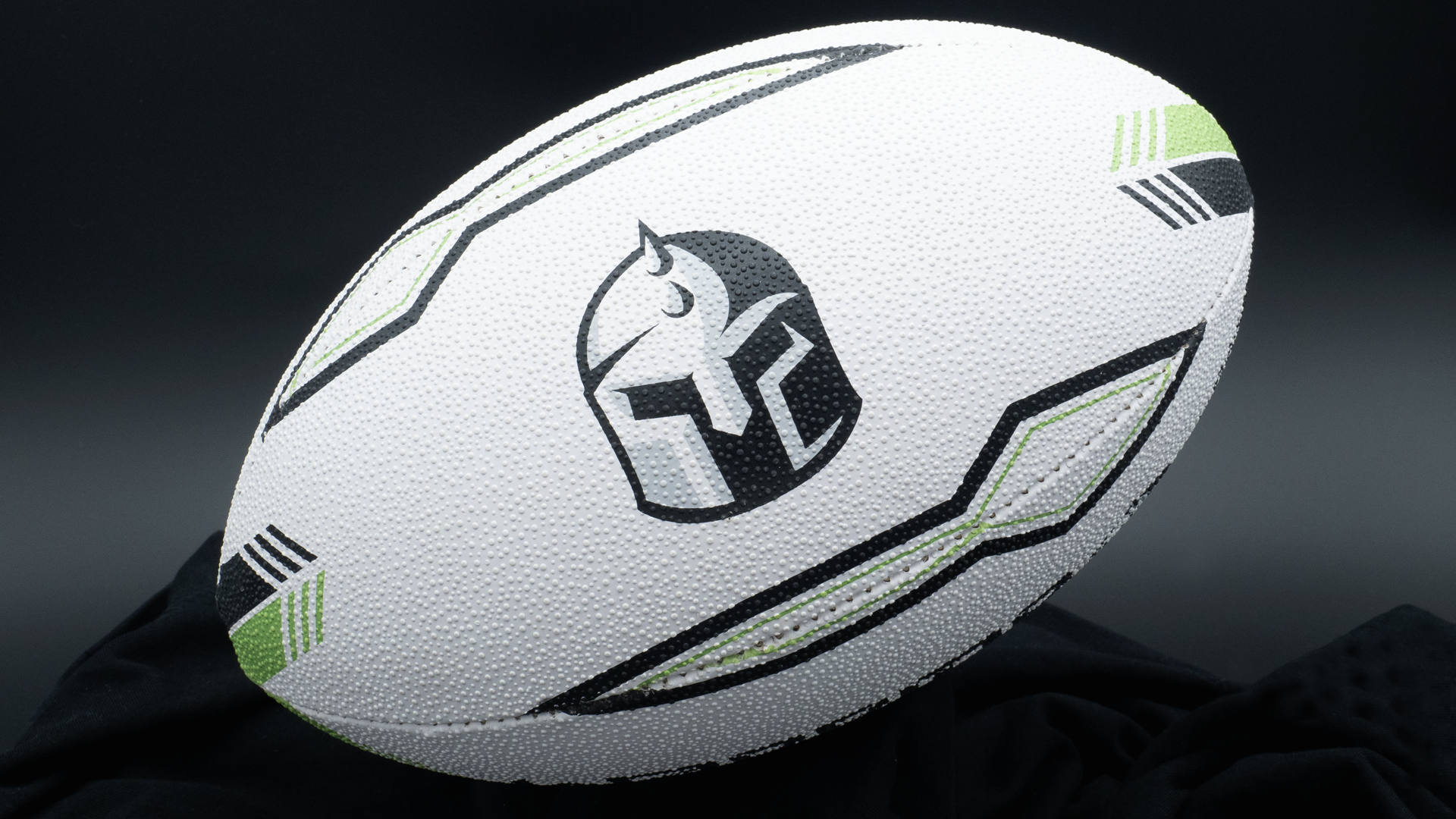
![Warrior Sports Junior Trainer Touch Ball]()
![Warrior Sports Junior Trainer Touch Ball]() Warrior Sports Junior Trainer Touch Ball
Warrior Sports Junior Trainer Touch Ball- Regular price
- $25.00
- Regular price
-
- Sale price
- $25.00
- Unit price
- per
Warrior Junior Trainer Touch Ball - 3D Grip An entry-level touch ball built for kids starting out — affordable without cutting corners on quality. Like our Match range, it's 3-ply construction with... -
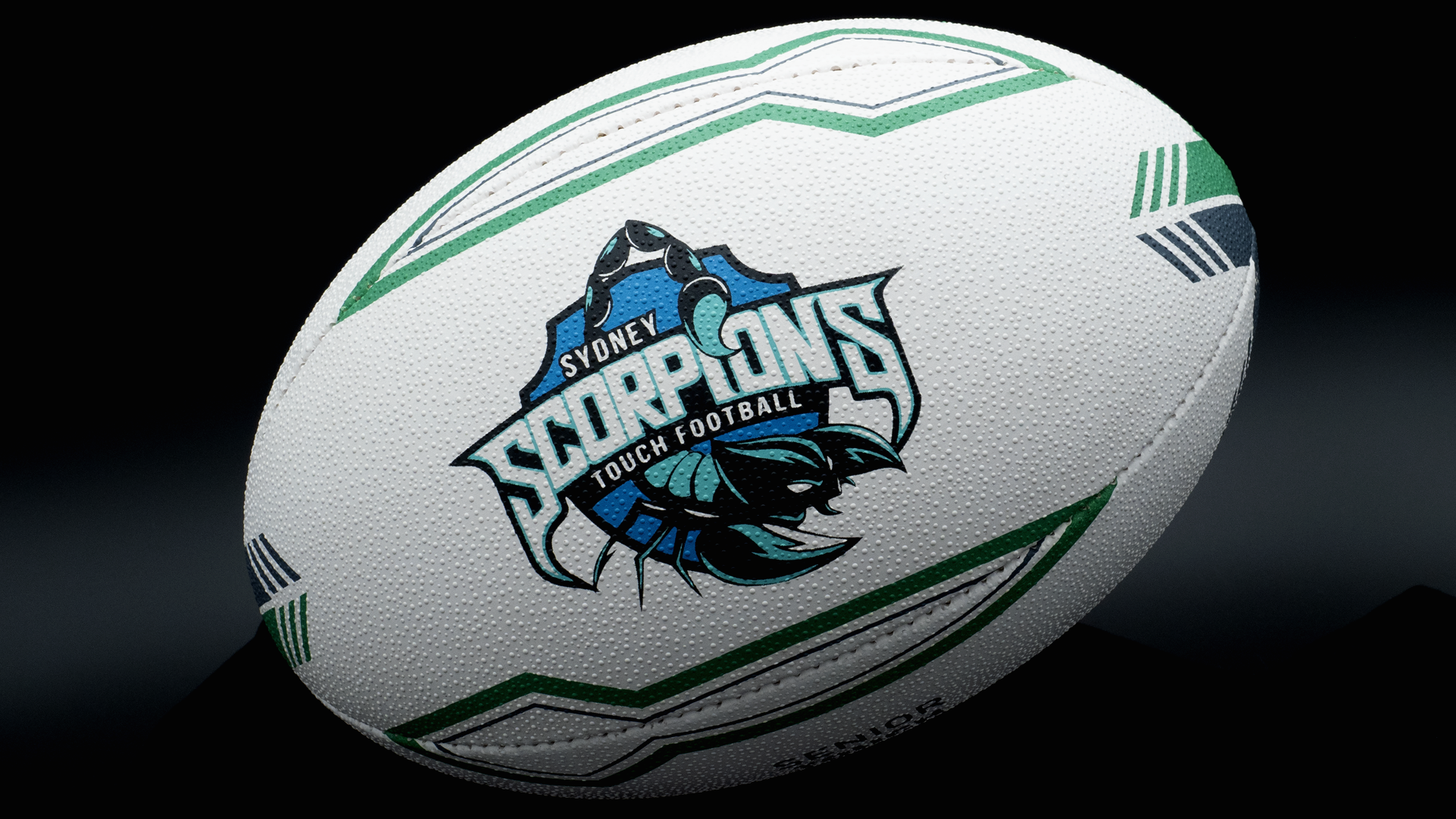
![Custom Touch Balls- Warrior Sports]()
![Custom Touch Balls- Warrior Sports]() Custom Touch Balls- Warrior Sports
Custom Touch Balls- Warrior Sports- Regular price
- $0.00
- Regular price
-
- Sale price
- $0.00
- Unit price
- per
Warrior Sports can fully customise touch balls in club or school colours or with sponsor logos. Minimum quantity is 50 units for customised balls and we require 6-7 weeks. Customised touch balls ca...
-
Example product title
Example product title
Vendor:Vendor- Regular price
- $19.99
- Regular price
-
- Sale price
- $19.99
- Unit price
- per
-
Example product title
Example product title
Vendor:Vendor- Regular price
- $19.99
- Regular price
-
- Sale price
- $19.99
- Unit price
- per
-
Example product title
Example product title
Vendor:Vendor- Regular price
- $19.99
- Regular price
-
- Sale price
- $19.99
- Unit price
- per
-
Example product title
Example product title
Vendor:Vendor- Regular price
- $19.99
- Regular price
-
- Sale price
- $19.99
- Unit price
- per
-
Example product title
Example product title
Vendor:Vendor- Regular price
- $19.99
- Regular price
-
- Sale price
- $19.99
- Unit price
- per
-
Example product title
Example product title
Vendor:Vendor- Regular price
- $19.99
- Regular price
-
- Sale price
- $19.99
- Unit price
- per
-
Example product title
Example product title
Vendor:Vendor- Regular price
- $19.99
- Regular price
-
- Sale price
- $19.99
- Unit price
- per
-
Example product title
Example product title
Vendor:Vendor- Regular price
- $19.99
- Regular price
-
- Sale price
- $19.99
- Unit price
- per