
Rugby Ball Buying Guide
How to Choose the Right Rugby Ball
Introduction
The rugby ball is the centrepiece of every match, training session and school sports program. Whether you're purchasing for a rugby club, school, representative pathway or individual player, selecting the right rugby ball can have a significant impact on performance, skill development and durability.
This guide explains the key differences between rugby ball sizes, match and training balls, grip technologies and construction methods to help you choose the best rugby ball for your needs.
Rugby Ball Sizes Explained
Rugby balls are available in several sizes to suit different age groups and levels of competition.
Size 5 Rugby Balls
Size 5 is the official ball used for senior rugby union and rugby league competitions.
Best suited for:
- Senior rugby clubs
- School First XV programs
- Representative pathways
- Adult training and competition
Size 4 Rugby Balls
Size 4 balls are commonly used by junior players transitioning towards senior rugby.
Best suited for:
- Under 10s to Under 14s
- School sport programs
- Junior rugby development
Size 3 Rugby Balls
Size 3 balls are designed for younger players learning the fundamentals of passing, catching and kicking.
Best suited for:
- Junior rugby
- Primary schools
- Introductory rugby programs
Selecting the correct ball size helps players develop proper technique and confidence.
Warrior Sports Rugby Ball Technologies
At Warrior Sports, we believe every rugby player deserves a ball that delivers reliable performance, consistent handling and long-term durability.
Airlock Bladder Technology
Every Warrior Sports rugby ball features an Airlock bladder as standard.
Benefits include:
- Excellent air retention
- Reduced inflation requirements
- Consistent shape retention
- Reliable performance during training and matches
- Lower maintenance for schools and clubs
For coaches, sports coordinators and equipment managers, Airlock technology means less time inflating balls and more time focused on training and performance.
Warrior Sports Grip Technologies
Grip is one of the most important factors influencing handling performance, confidence and skill development.
Warrior Sports offers a range of grip technologies designed to suit different levels of play and training environments.
Dual Grip
Dual Grip is a versatile all-round grip designed to provide an excellent balance between durability, control and value.
Ideal for:
- Schools
- Junior rugby
- Community clubs
- Training environments
Multiplex Grip
Multiplex Grip provides enhanced handling characteristics and improved ball control during passing, catching and ball retention.
Ideal for:
- Club rugby
- Representative pathways
- High-volume training environments
Warrior Sports 3D Grip
Our factory patented 3D Grip Technology has been developed to provide exceptional handling and player confidence across all playing conditions.
The advanced three-dimensional grip profile performs particularly well in:
- Wet weather conditions
- Early morning and dewy playing surfaces
- Junior rugby development programs
- School sport environments
- Skills training sessions
The enhanced grip characteristics help players maintain better control of the ball when passing, catching and kicking, making it an excellent choice for developing players learning the fundamental skills of the game.
For mini and junior rugby players, confidence in handling the ball is critical to skill development. The additional grip provided by Warrior Sports' patented 3D Grip technology helps young players focus on technique and execution while building confidence in their passing and kicking abilities.
Aerosensa Grip
Our Elite and Match rugby balls are available with the highly respected Aerosensa Grip, recognised throughout the rugby community as one of the leading grip technologies available.
Benefits include:
- Outstanding handling performance
- Consistent grip characteristics
- Enhanced player confidence
- Match-quality feel and control
For clubs, schools and representative teams seeking the highest level of performance, Aerosensa-equipped rugby balls provide a premium match-day solution.
Match Rugby Balls vs Training Rugby Balls
One of the most common questions from schools, clubs and players is whether they should invest in match rugby balls or training rugby balls.
While both serve an important purpose, they are designed with different priorities in mind.
Match Rugby Balls
Match rugby balls are engineered to deliver maximum performance and consistency during competition.
Premium match balls typically feature:
- Higher natural rubber content for enhanced grip
- Premium hand-stitched construction
- Superior shape retention
- Enhanced handling characteristics
- Valve positioned within the seam for improved balance and flight
- Premium grip technologies such as Aerosensa Grip
The higher natural rubber content helps provide a softer feel and superior grip, particularly when passing, catching and kicking under pressure.
Premium match balls also position the valve within the seam of the ball. This helps create a more balanced ball and promotes a truer spiral, resulting in improved passing accuracy, kicking consistency and overall flight characteristics.
Match balls are the preferred choice for:
- Competition matches
- Representative rugby
- School First XV programs
- Elite training environments
Training Rugby Balls
Training rugby balls are designed to maximise durability and value while still providing excellent performance.
Training balls typically feature:
- Higher synthetic rubber content
- Increased durability
- Excellent value for schools and clubs
- Suitable for high-volume training environments
- Consistent handling characteristics
The greater proportion of synthetic rubber helps the ball withstand repeated use across training sessions, school programs and junior development activities.
For many clubs and schools, training balls form the backbone of their equipment inventory, allowing coaches to maximise participation while maintaining excellent value for money.
Which Rugby Ball Should You Choose?
Most successful clubs and schools utilise both match and training rugby balls.
A typical approach is:
- Training balls for weekly training sessions
- Match balls for competition and game-day preparation
This provides the ideal balance between performance, durability and budget.
Rugby Balls for Schools
Schools often require rugby balls that can withstand frequent use across multiple age groups.
Key considerations include:
- Durability
- Age-appropriate sizing
- Value for money
- Grip characteristics
Training balls are often the preferred option for physical education programs, while match balls are typically reserved for representative and competition teams.
Rugby Balls for Clubs
Community rugby clubs generally require a combination of training and match balls.
A typical club setup might include:
- Training balls for weekly sessions
- Match balls for competition
- Specialist balls for skills development
- Junior-sized balls for age-group teams
Investing in quality rugby balls can improve player development and reduce replacement costs over time.
Specialist Rugby Balls
Sevens Rugby Balls
Designed to maximise passing and handling performance for the faster pace of Rugby Sevens.
Beach Rugby Balls
Featuring a softer surface designed for beach rugby and recreational play.
Weighted Training Balls
Used to develop passing strength and reinforce correct passing technique.
Rebounder Balls
Ideal for individual passing practice without requiring a training partner.
Frequently Asked Questions
What rugby ball size should I buy?
Size 5 is used for senior rugby, Size 4 for junior development and Size 3 for younger players.
What is the difference between a match ball and a training ball?
Match balls prioritise performance, grip and flight characteristics, while training balls focus on durability and value.
Which rugby ball grip is best for junior players?
Warrior Sports' patented 3D Grip is particularly popular with mini and junior rugby programs as it helps young players develop confidence when passing, catching and kicking.
Why do Warrior Sports rugby balls use Airlock bladders?
Airlock bladders provide excellent air retention, shape retention and reduced maintenance requirements, making them ideal for schools and clubs.
Which rugby ball is best for wet weather?
Rugby balls featuring Warrior Sports' patented 3D Grip or Aerosensa Grip technologies provide excellent handling performance in wet and dewy conditions.
Need Help Choosing Rugby Balls?
Warrior Sports supplies rugby balls for schools, clubs, associations and representative pathways throughout Australia.
Whether you're looking for match balls, training balls, custom-branded rugby balls or specialist training equipment, our team can help you find the right solution for your organisation.
REQUEST FREE CUSTOM DESIGN
For Your Touch ClubTouch Football Range
-
![Warrior Sports Senior Touch Match Ball - 3D Grip]()
![Warrior Sports Senior Touch Match Ball - 3D Grip]() SaleWarrior Sports Senior Touch Match Ball - 3D Grip
SaleWarrior Sports Senior Touch Match Ball - 3D Grip- Regular price
- $33.00
- Regular price
-
$36.30 - Sale price
- $33.00
- Unit price
- per
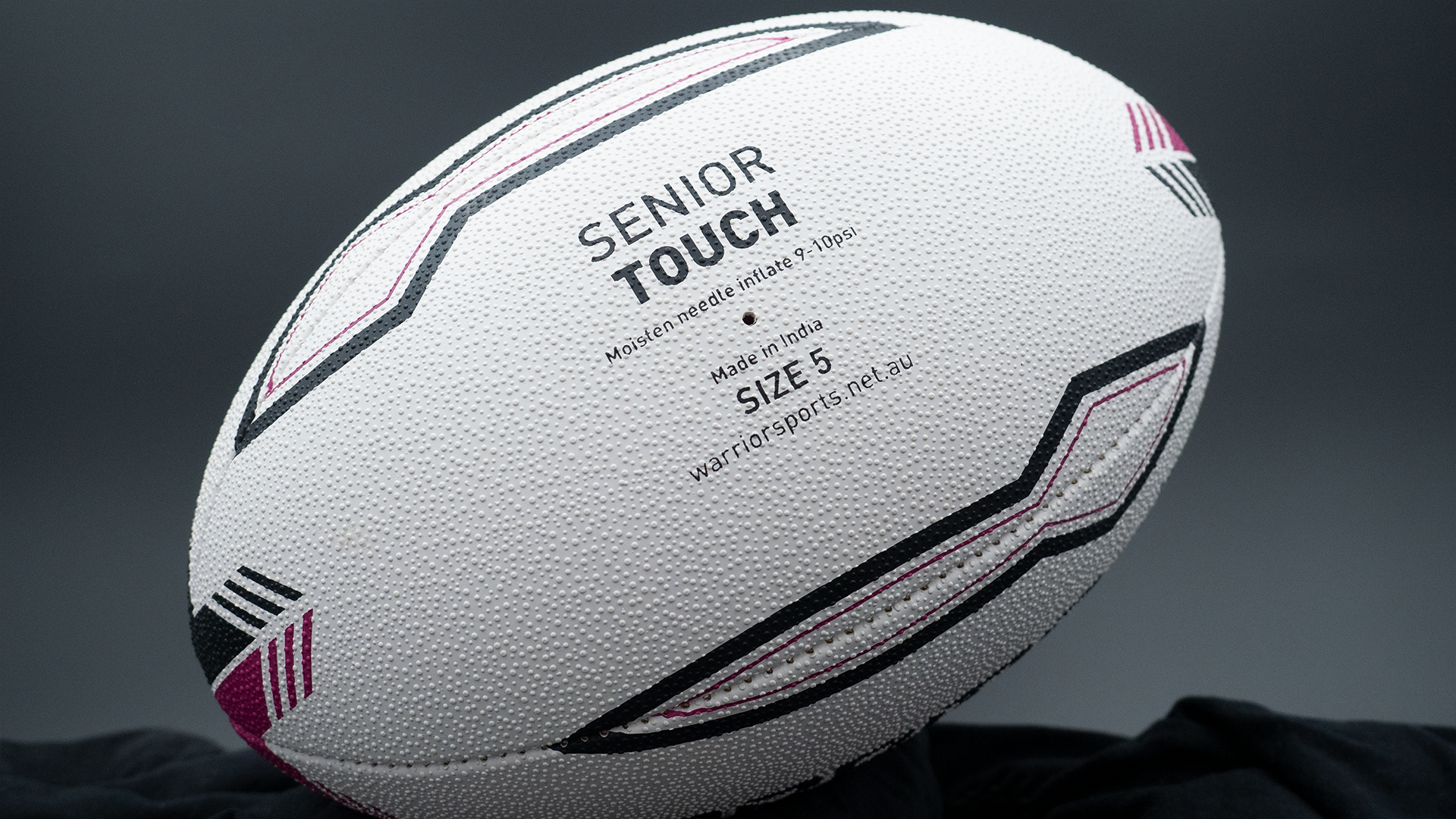
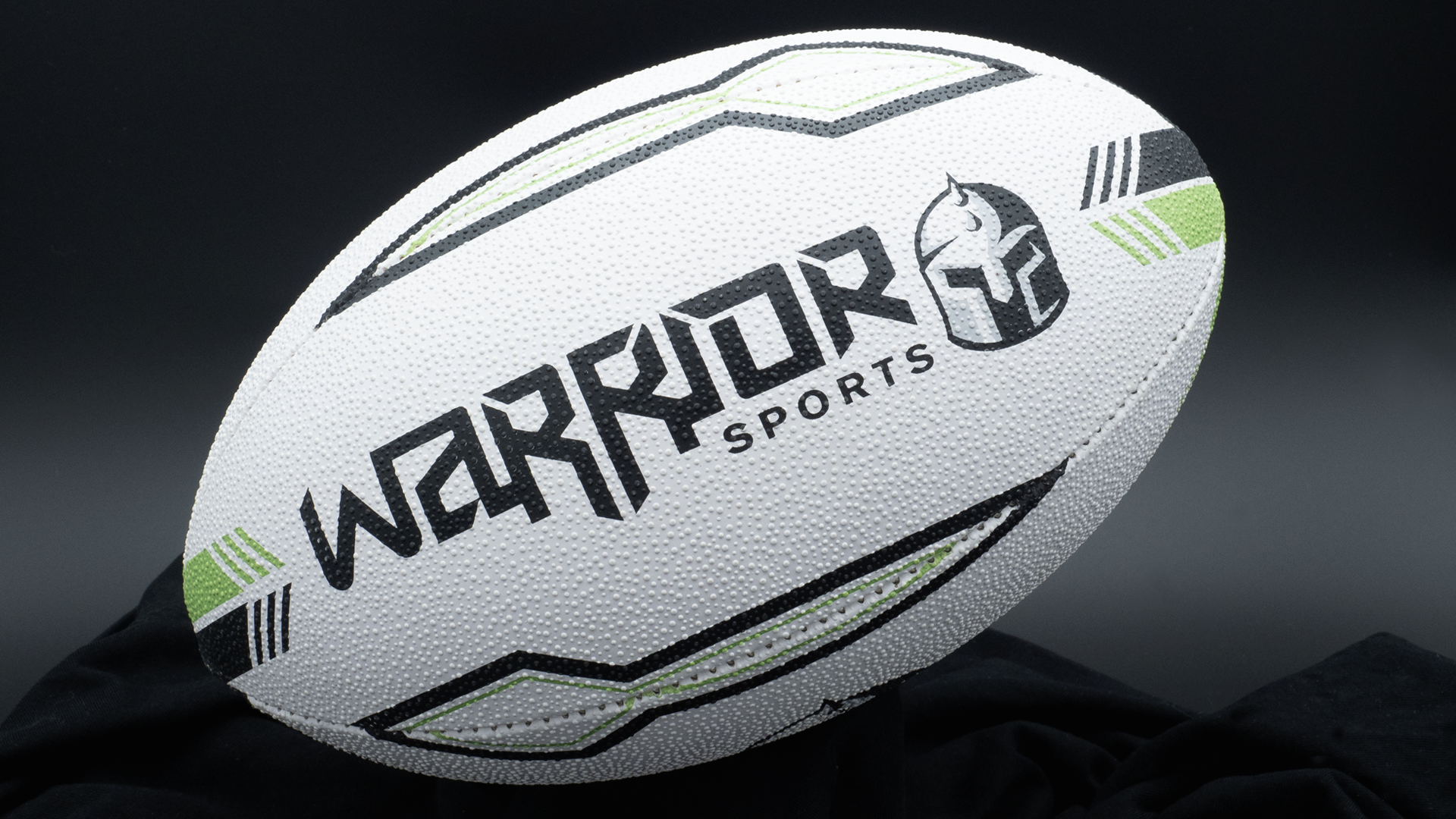
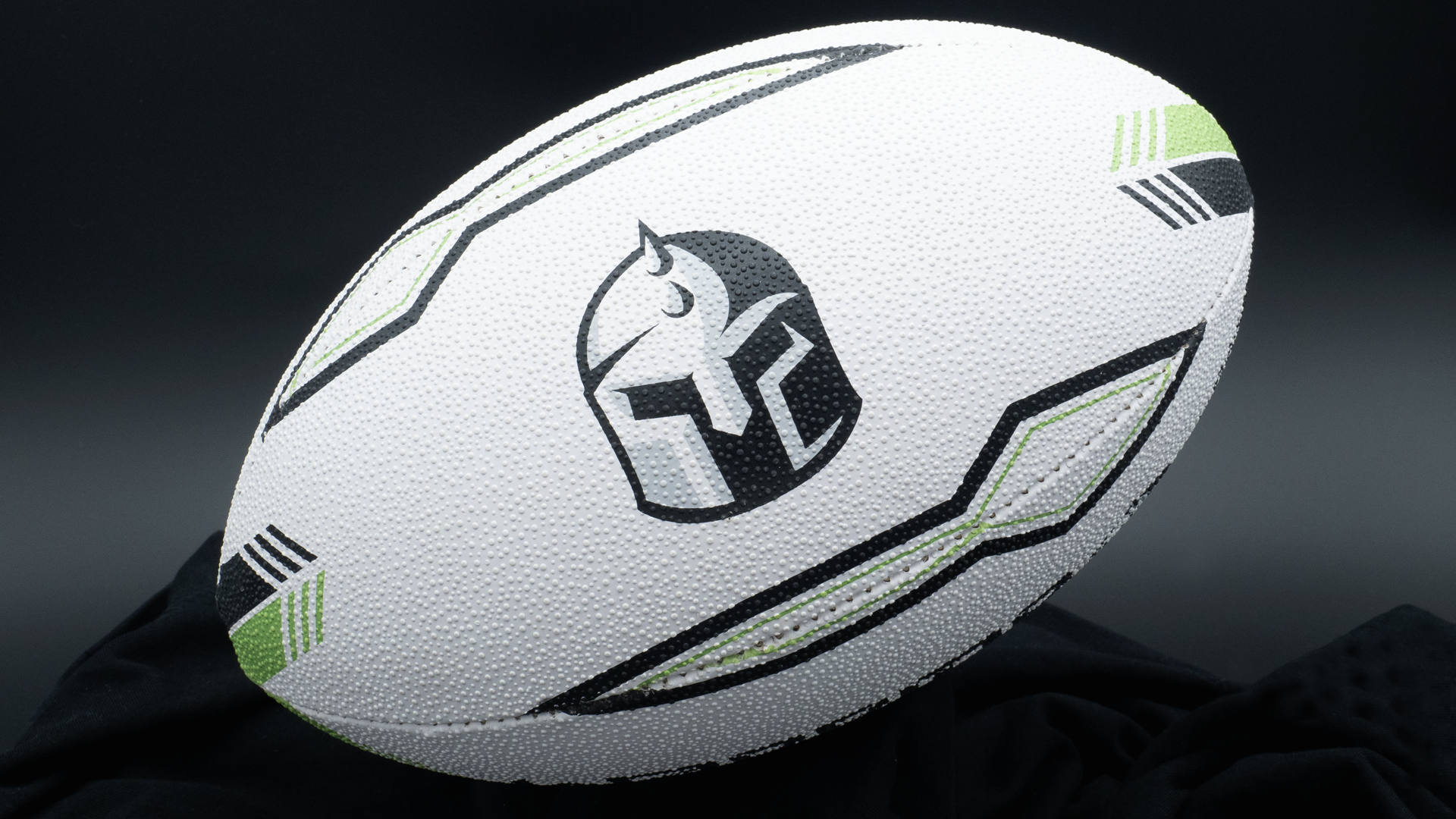
Warrior Sports Senior Touch Match Ball - 3D Grip Warrior Sports produces a range of touch balls for both seniors and juniors, built to handle the pace of the modern game. This 3-ply ball features o... -
![Warrior Junior Touch Match Ball - 3D Grip]()
![Warrior Junior Touch Match Ball - 3D Grip]() Warrior Junior Touch Match Ball - 3D Grip
Warrior Junior Touch Match Ball - 3D Grip- Regular price
- $33.00
- Regular price
-
$33.00 - Sale price
- $33.00
- Unit price
- per
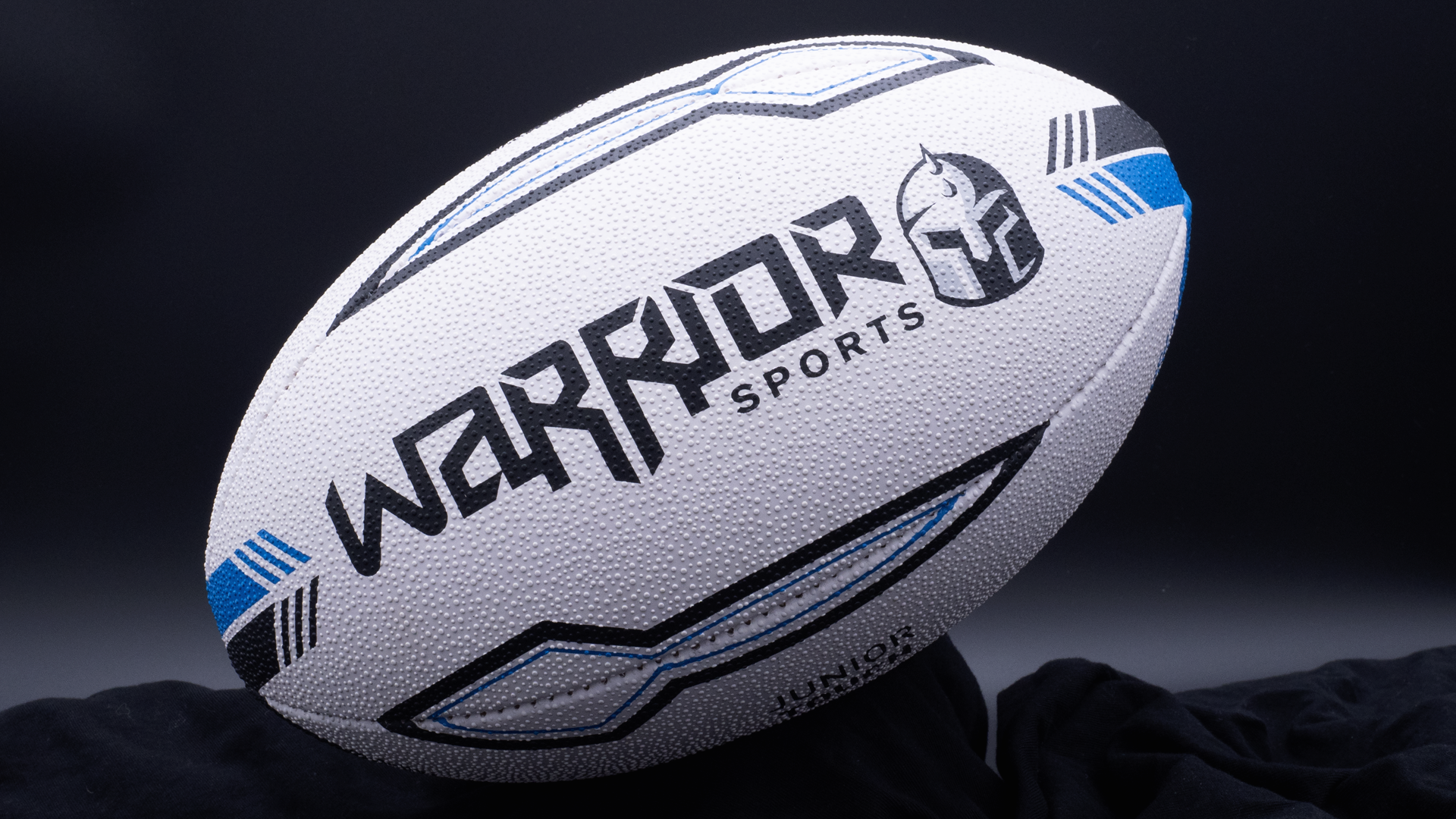
Warrior Junior Touch Match Ball - 3D Grip Same quality as our Senior Touch Match Ball, built in junior sizing. This 3-ply ball features our default 3D Grip, engineered for exceptional handling in a... -
![Warrior Sports Junior Trainer Touch Ball]()
![Warrior Sports Junior Trainer Touch Ball]() Warrior Sports Junior Trainer Touch Ball
Warrior Sports Junior Trainer Touch Ball- Regular price
- $25.00
- Regular price
-
- Sale price
- $25.00
- Unit price
- per
Warrior Junior Trainer Touch Ball - 3D Grip An entry-level touch ball built for kids starting out — affordable without cutting corners on quality. Like our Match range, it's 3-ply construction with... -
![Custom Touch Balls- Warrior Sports]()
![Custom Touch Balls- Warrior Sports]() Custom Touch Balls- Warrior Sports
Custom Touch Balls- Warrior Sports- Regular price
- $0.00
- Regular price
-
- Sale price
- $0.00
- Unit price
- per
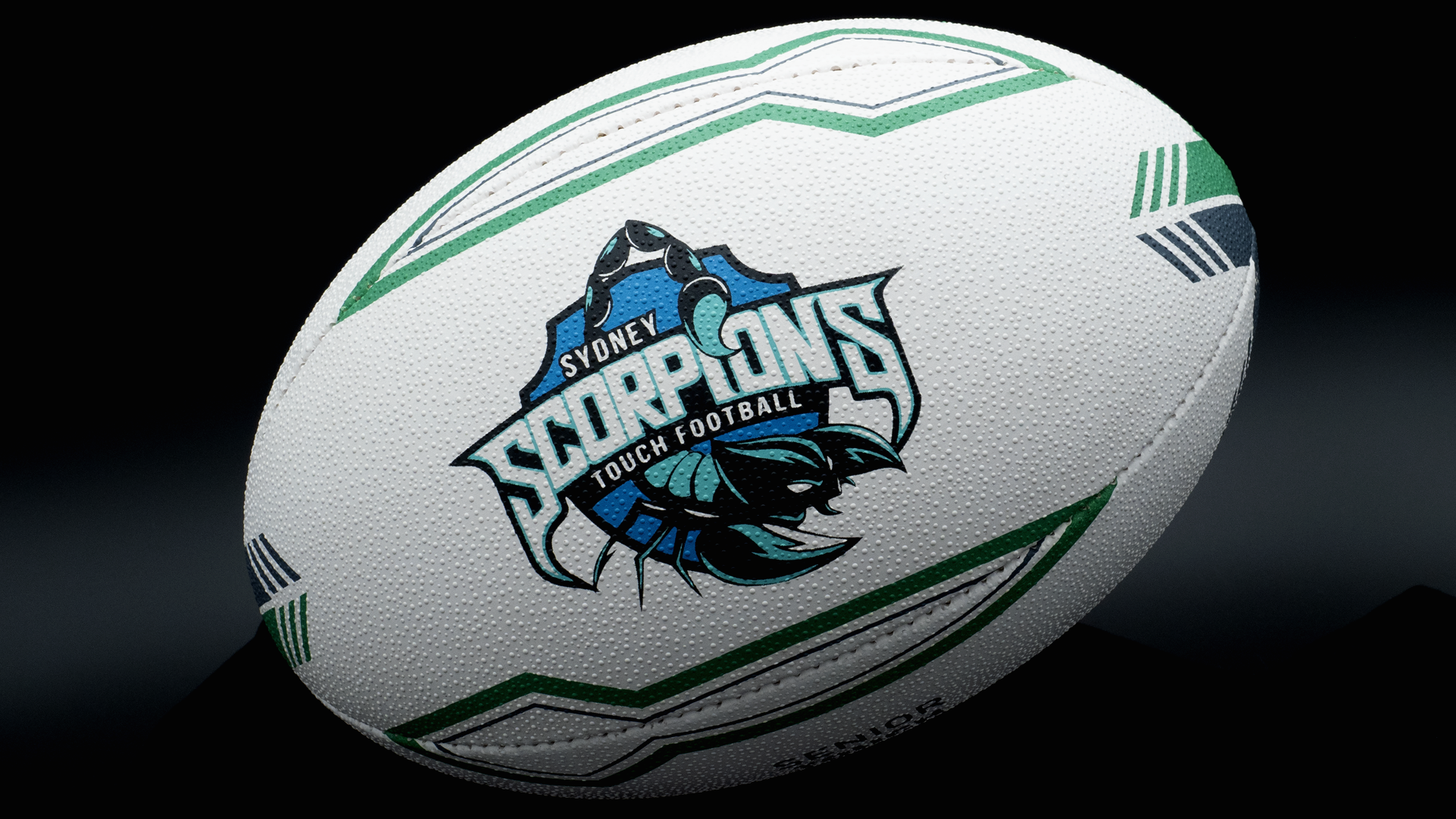
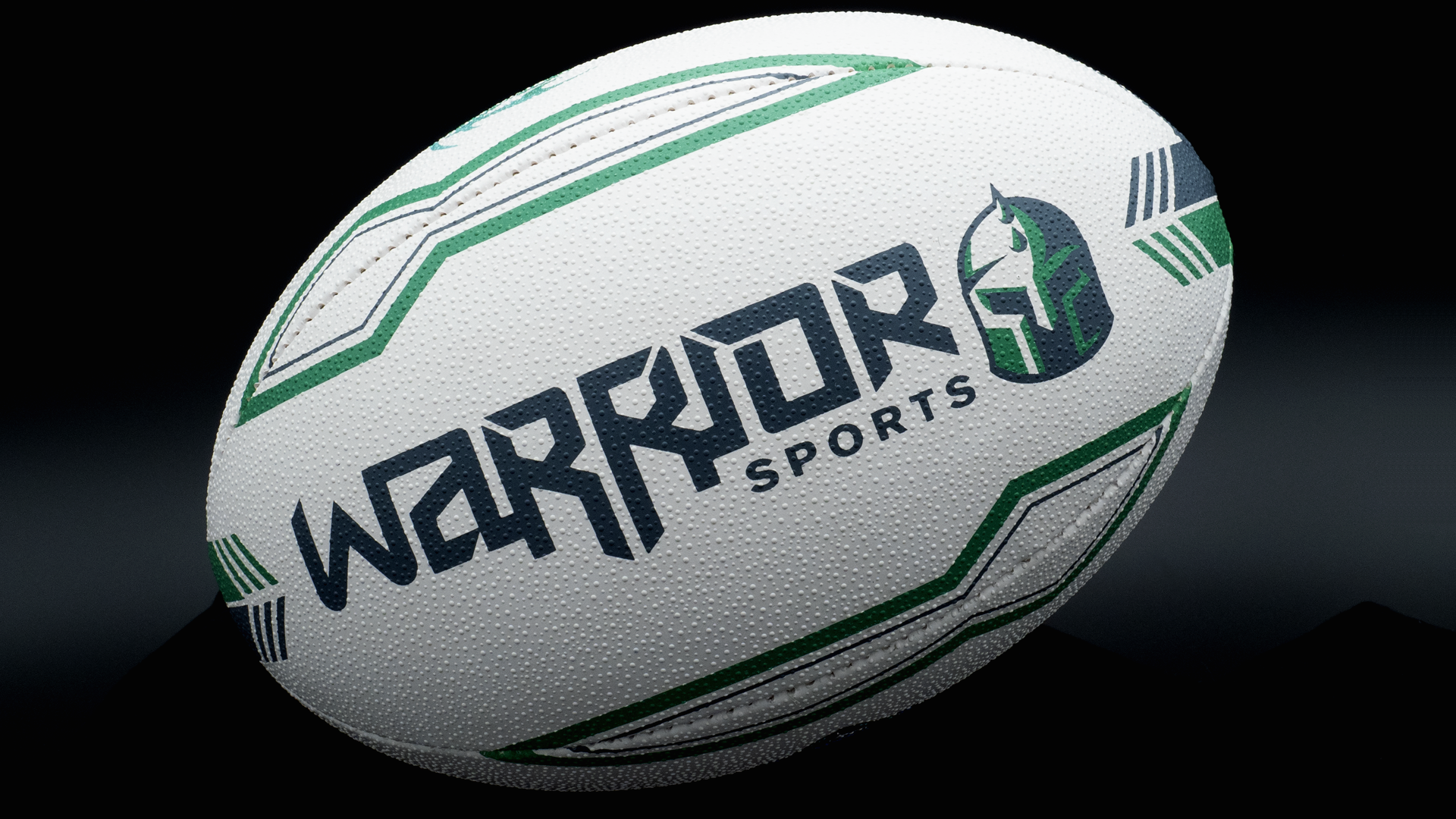
Warrior Sports can fully customise touch balls in club or school colours or with sponsor logos. Minimum quantity is 50 units for customised balls and we require 6-7 weeks. Customised touch balls ca...
-
Example product title
Example product title
Vendor:Vendor- Regular price
- $19.99
- Regular price
-
- Sale price
- $19.99
- Unit price
- per
-
Example product title
Example product title
Vendor:Vendor- Regular price
- $19.99
- Regular price
-
- Sale price
- $19.99
- Unit price
- per
-
Example product title
Example product title
Vendor:Vendor- Regular price
- $19.99
- Regular price
-
- Sale price
- $19.99
- Unit price
- per
-
Example product title
Example product title
Vendor:Vendor- Regular price
- $19.99
- Regular price
-
- Sale price
- $19.99
- Unit price
- per
-
Example product title
Example product title
Vendor:Vendor- Regular price
- $19.99
- Regular price
-
- Sale price
- $19.99
- Unit price
- per
-
Example product title
Example product title
Vendor:Vendor- Regular price
- $19.99
- Regular price
-
- Sale price
- $19.99
- Unit price
- per
-
Example product title
Example product title
Vendor:Vendor- Regular price
- $19.99
- Regular price
-
- Sale price
- $19.99
- Unit price
- per
-
Example product title
Example product title
Vendor:Vendor- Regular price
- $19.99
- Regular price
-
- Sale price
- $19.99
- Unit price
- per